
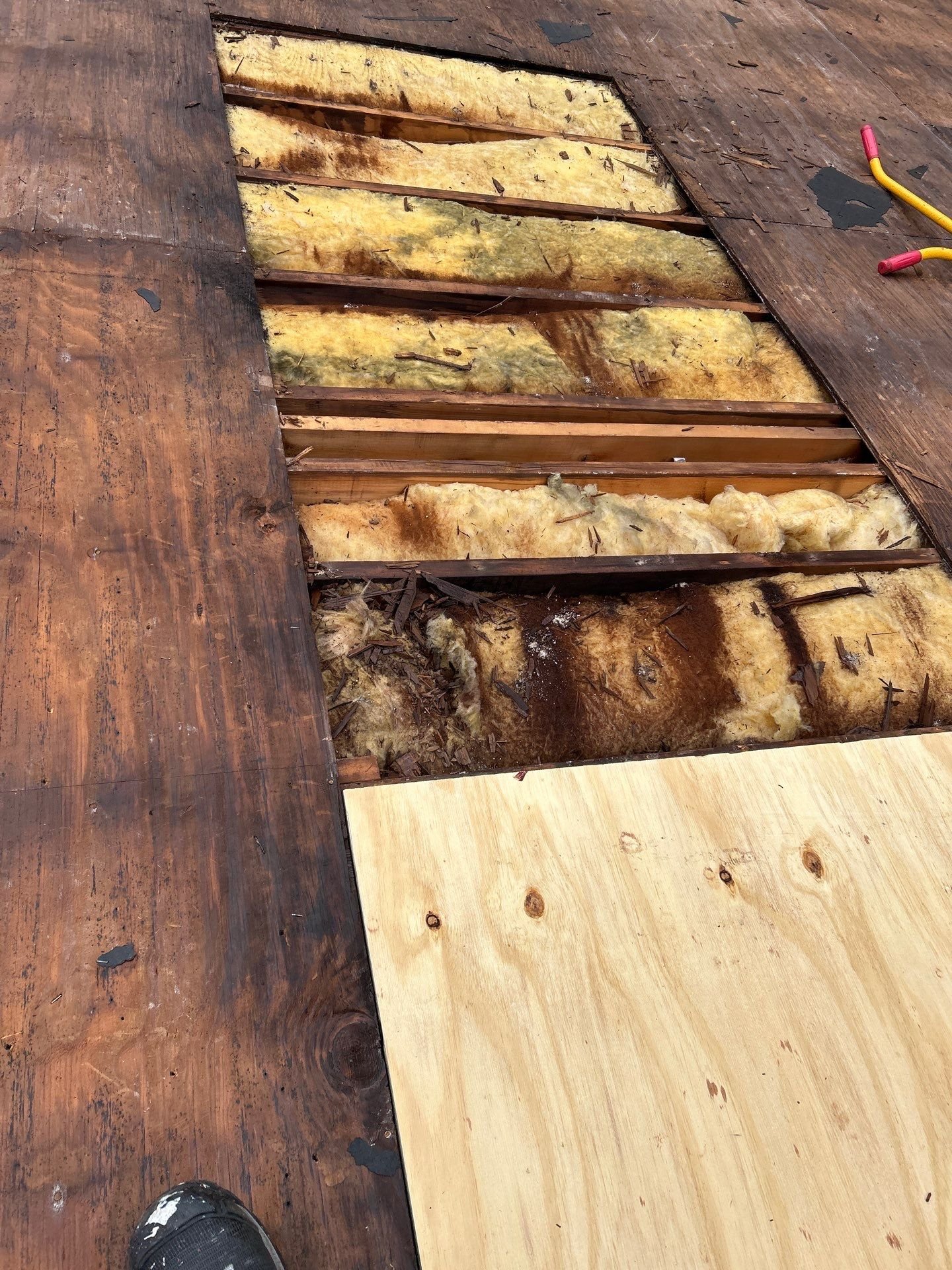
Understanding how insurance claims work after roof damage can save New Jersey homeowners thousands of dollars. Storms, high winds, hail, and heavy snow are common in the Garden State — and they can leave roofs compromised in ways not always visible from the ground. Knowing the process helps ensure fair compensation and timely repairs.
This step-by-step guide walks homeowners through every stage of filing a roof damage insurance claim in New Jersey. From inspecting your roof safely to meeting the adjuster and avoiding scams, it will help you protect your home and avoid costly mistakes.
What Types of Roof Damage Are Typically Covered in NJ?
Homeowners insurance generally covers sudden and accidental damage, such as harm caused by storms or high winds. Storm and wind damage claims are some of the most common in NJ, where Nor’easters and summer thunderstorms can rip off shingles or expose your roof deck.
Hail is another frequent cause of roof damage, leaving dents, cracks, or even leaks. Falling trees and flying debris can puncture roofing materials, while ice dams or snow loads may also qualify for coverage if they cause sudden interior leaks. However, insurers distinguish between sudden and gradual damage — only the former typically qualifies for coverage.
What Is Usually Not Covered
Insurance companies often deny claims related to normal wear and tear or neglected maintenance. If your roof was already aging or leaking before a storm, an insurer may determine it as a pre-existing issue.
Defective installation or poor workmanship is another common exclusion. Most policies also factor in depreciation, meaning older roofs may not qualify for full replacement value under certain conditions. Understanding these exclusions before filing can prevent disputes later.
Step 1: Inspect Your Roof After the Damage
After severe weather, perform a visual inspection from the ground or a safe distance. Look for missing shingles, broken gutters, or water stains in your attic or ceilings. Avoid climbing onto your roof, as this can be dangerous — and might even risk further damage.
Photograph all visible damage and take notes about the date and event that caused it. Detailed documentation can significantly strengthen your claim when speaking with your insurer or adjuster.
Step 2: Prevent Further Damage
Insurance providers expect homeowners to take reasonable steps to mitigate further damage. Temporary repairs like securing tarps or sealing leaks can prevent water from worsening the situation.
Always keep receipts for any emergency repairs, as insurers typically reimburse reasonable expenses incurred while protecting your property from more significant harm.
Step 3: Review Your Homeowners Insurance Policy
Before filing, review your policy to understand coverage limits, deductibles, and specific clauses related to roofing systems. Some policies pay replacement cost value (RCV), which covers the full repair, while others pay actual cash value (ACV), which deducts depreciation.
Also note any NJ-specific endorsements or exclusions your insurer may apply to storm damage claims. These details determine how much you’ll actually receive after your deductible.
Step 4: File the Insurance Claim
To start your claim, contact your insurer as soon as possible after the incident. Provide detailed information, including when the damage occurred and the likely cause.
Most New Jersey insurers have specific timelines for submitting roof claims, often within a few days of the storm. Avoid common mistakes such as delaying the claim or discarding receipts, as these can weaken your case.
Step 5: Schedule a Professional Roof Inspection
A licensed roofing contractor’s inspection is essential to verify the extent of damages. They can detect subtle impacts — such as hail dents — that an untrained eye might miss.
Request a written inspection report detailing the type, location, and severity of the damage. Matching the contractor’s findings with your insurance claim helps ensure an accurate assessment by your adjuster.
Step 6: Meet the Insurance Adjuster
Your insurer will assign an adjuster to inspect the property and validate your claim. Be present during this appointment, and if possible, have your contractor attend as well.
The adjuster’s job is to evaluate the scope of repair according to policy terms, while your contractor focuses on the technical accuracy of the assessment. Their collaboration often results in a fairer estimate.
Step 7: Review the Insurance Estimate
Once the adjuster completes the report, they’ll present an estimate detailing labor costs, materials, and depreciation. Read this carefully to check for missing items or undervalued repairs.
If your policy includes recoverable depreciation, you may be eligible for additional funds after completing the work, so don’t overlook that step.
Step 8: Disputing or Supplementing a Claim
If the insurer’s offer seems low, your contractor can submit supplemental documentation — such as updated repair estimates, photos, or material invoices. Supplements are normal and often necessary when hidden damage is uncovered during repairs.
If disputes persist, escalation options include contacting the NJ Department of Banking and Insurance or hiring a public adjuster. Clear communication and proper documentation remain your most effective tools.
Step 9: Roof Replacement or Repairs
Once your claim is approved, select a licensed, insured NJ roofing contractor familiar with insurance-related projects. Ensure the roofing material matches your claim specifications to avoid payout conflicts.
Insurers usually issue checks directly to you or jointly to your mortgage company. After repairs, keep all documentation for warranty and proof-of-completion purposes.
Common Roof Insurance Claim Scams in NJ
Beware of “storm chasers” who appear after major weather events offering free inspections or fast repairs. Some may pressure you to sign contracts or claim they’ll “waive your deductible” — which is both unethical and often illegal.
Stick with reputable local contractors, check for NJ licenses, and read reviews carefully. Red flags include aggressive door-to-door sales, vague pricing, or refusal to provide written estimates.
Frequently Asked Questions
How long do roof insurance claims take in NJ? Most claims are resolved within 30–60 days, though delays can occur during peak storm seasons.
Will filing a claim raise my premiums? Not necessarily, but frequent claims or large payouts might affect your rates long term.
Can I choose my own contractor? Yes. Homeowners have the legal right to select their own roofing contractor, even if insurers recommend preferred vendors.
What if my claim is denied? You can appeal the decision, hire a public adjuster, or request a policy review to understand the denial reasoning.
Conclusion
Dealing with roof damage in New Jersey can feel overwhelming, but following a structured process makes it easier. Act quickly, document thoroughly, and work with reputable professionals who understand insurance claims.
With preparation, clear communication, and proper support, homeowners can navigate roof insurance claims confidently — and restore their homes with peace of mind.